



In celebration of the 166th birth anniversary of Giacomo Puccini: The Maestro of Opera
Today, we honor the birth of one of the greatest opera composers in history, Giacomo Puccini, born on December 22, 1858, in the charming Tuscan town of Lucca, Italy. Known for his unparalleled gift for melody and his ability to convey deep human emotions through music, Puccini’s legacy as a master of Italian opera remains unshakable. As we celebrate his life and work, let’s dive into the man behind some of the most beloved operas of all time, explore his artistic journey, and revisit the works that have immortalized him in the annals of classical music.
A Life Destined for Music
Born into a family with a long tradition of musicians, Puccini seemed destined for greatness. His father, Michele Puccini, was a composer and organist, but he passed away when Giacomo was only six years old. Despite financial struggles, Puccini’s mother ensured he pursued a musical education, and he eventually attended the Milan Conservatory, thanks to a scholarship and support from local patrons.
While at the conservatory, Puccini studied under renowned composers like Amilcare Ponchielli, the creator of La Gioconda. It was during this period that Puccini found his true calling: the opera. Inspired by a performance of Verdi’s Aida, he famously declared, “This is the path I must follow.”
Puccini’s Contribution to Opera
Puccini transformed Italian opera at the turn of the 20th century, ushering in a style that balanced lush Romanticism with realism. He was a leading figure of verismo, a movement that focused on everyday people and their raw emotions. His operas stood out for their emotional depth, dramatic pacing, and memorable melodies, making them accessible to audiences worldwide.
What truly set Puccini apart was his genius for creating immersive, cinematic experiences. He meticulously orchestrated his operas, blending beautiful melodies with intricate harmonies, all while paying close attention to theatrical detail. His works remain staples of opera houses everywhere, thanks to their universal themes of love, loss, and human resilience.
Puccini’s Top 5 Operas
Even today, three of his compositions (La bohème, Tosca and Madame Butterfly) are among the 10 most represented works in the world and among the most appreciated by the opera public. The bohemian is vaguely inspired by a mid-nineteenth-century novel by French writer Henri Murger and also by episodes of Puccini’s life, when he was a young student at the Milan Conservatory. The stormy life of the group of young artists protagonists of the libretto of Boheme, released in Turin in 1896, certainly resonated with aspects of poverty and goliard personally experienced by Puccini himself.
Let’s take a closer look at the five operas that define Puccini’s remarkable legacy:
1. La Bohème (1896)
One of the most performed operas in the world, La Bohème is a tender tale of love and heartbreak among struggling artists in Paris. With its richly melodic score and unforgettable arias like “Che gelida manina” and “Quando me’n vo,” Puccini perfectly captures the bittersweet beauty of young love. The emotional resonance of this opera has made it a cornerstone of the repertory and a favorite for newcomers to opera.
2. Tosca (1900)

Tosca is a gripping melodrama that combines political intrigue, passion, and tragedy. The opera’s narrative is set in Rome during the Napoleonic Wars, and it features some of Puccini’s most dramatic music, including the iconic aria “Vissi d’arte.” The intensity of Tosca has made it a tour de force for leading sopranos and a thrill for audiences who crave operatic spectacle.
Tosca, musically addresses the Wagnerian structures of leitmotivs for the identification of the protagonists and the moods represented. Tosca is also a jewel of musical truthfulness, despite the historical environment of the script. The strong and dramatic themes of the theme are perfectly integrated into the musical composition of the work which no longer uses recitatives and scenographic interruptions, but is composed and represented permanently. Tosca has always been a great success with the public since its premiere in Turin in February 1900.
3. Madama Butterfly (1904)
In Madama Butterfly, Puccini explores themes of love, betrayal, and cultural collision. The story of Cio-Cio-San, a Japanese geisha abandoned by her American lover, is deeply moving, with highlights like “Un bel dì vedremo.” Puccini’s use of Japanese musical idioms blended with his Italian Romantic style creates a hauntingly beautiful atmosphere. Despite a rocky premiere, the opera is now a pillar of the operatic canon.
Madama Butterfly is one of the most popular operas ever written, with hundreds of performances each year in all operas around the world. The passionate music and a dramatic plot make this opera one of the favourites of all time with the public since its premiere in Milan in February 1904. Composed by Giacomo Puccini for a period of three years from 1901, it was not an immediate success among the public and the critics in its original two-act version. After a revision of the composition and a modification in three acts, the opera was performed in many theatres around the world before the First World War. Since then, it has become one of the most performed operas and is comfortably in the top 10 stage operas every year.
4. Turandot (1926)
Puccini’s final opera, Turandot, is an exotic and grandiose masterpiece set in ancient China. Although unfinished at the time of his death, it includes some of his most powerful music, such as the rousing tenor aria “Nessun dorma.” The opera’s blend of mythical storytelling and rich orchestration showcases Puccini’s ability to adapt his style to new contexts, leaving an indelible mark even in his final days.
5. Manon Lescaut (1893)
Puccini’s first major success, Manon Lescaut, announced his arrival as a composer of immense promise. The opera tells the tragic story of Manon, whose love for luxury leads to her downfall. With lush orchestration and impassioned arias, Manon Lescaut solidified Puccini’s reputation as a master of operatic drama.
Artistic Legacy
Giacomo Puccini’s influence on opera and classical music is immeasurable. His works bridged the Romantic and modern eras, blending emotional intensity with a progressive approach to harmony and orchestration. Through his innovative use of leitmotifs (recurring musical themes associated with characters or ideas), he deepened the emotional impact of his narratives.
Puccini also pushed the boundaries of realism in opera. His attention to detail extended beyond the music to the dramatic pacing and even the staging of his works, making his operas immersive experiences for audiences.
Moreover, his melodies transcend the operatic world, having been adapted into film soundtracks, commercials, and popular culture. Pieces like “Nessun dorma” have achieved iconic status, reaching audiences far beyond opera aficionados.
The Man Behind the Music
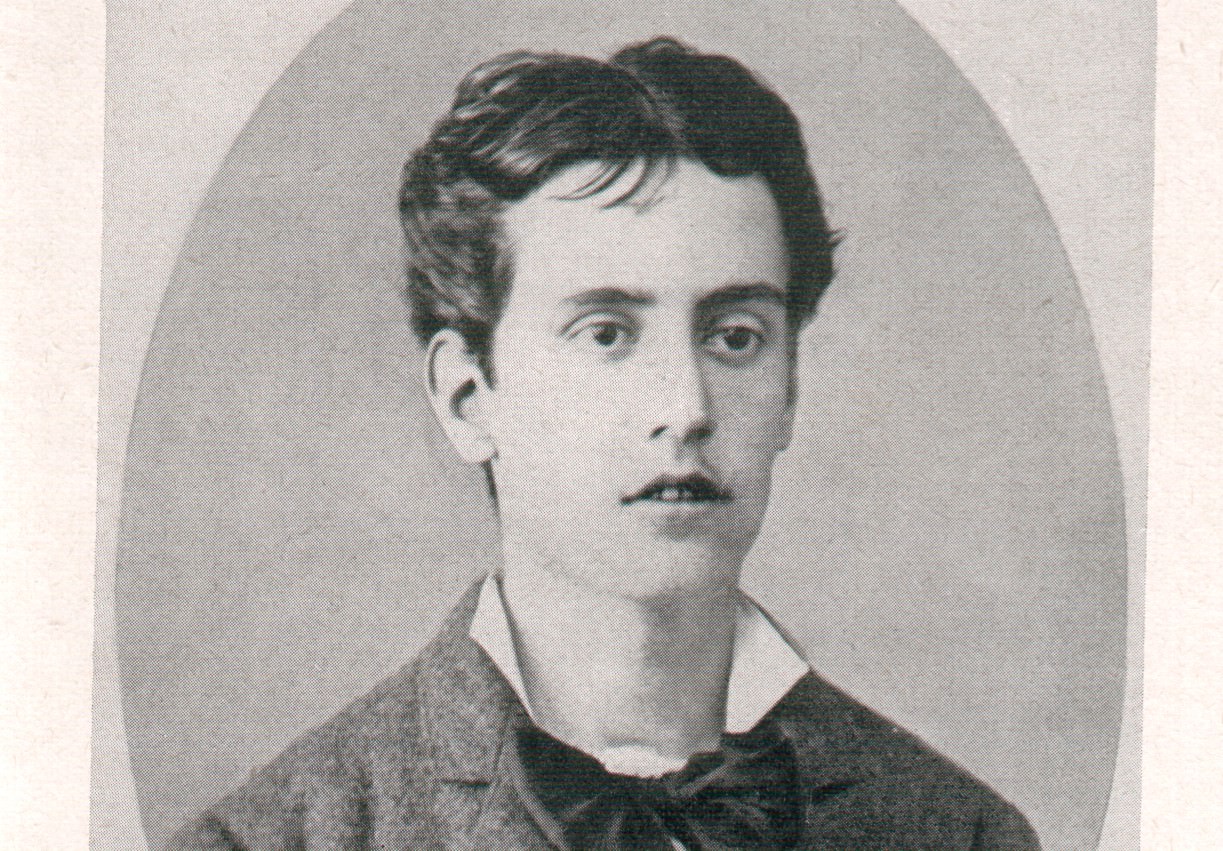
Though celebrated for his artistic genius, Puccini was a complex and sometimes controversial figure. His personal life was tumultuous, marked by a scandalous affair with Elvira Gemignani, whom he eventually married after her first husband’s death. The couple’s relationship was fraught with difficulties, including accusations of infidelity and jealousy. Despite these challenges, Puccini remained deeply dedicated to his craft, often retreating to the peace of his lakeside villa in Torre del Lago to compose.
Tragically, Puccini’s life was cut short by throat cancer in 1924. Yet even in his final days, he worked tirelessly on Turandot, leaving the opera to be completed by his student Franco Alfano.
Why Puccini Still Resonates
Nearly a century after his death, Puccini’s operas continue to captivate audiences. His gift for storytelling, emotional depth, and melodic genius make his works timeless. His ability to depict the human condition—our joys, sorrows, and desires—with such authenticity ensures his music remains as relevant today as it was during his lifetime.
Puccini’s legacy lives on not only in the opera house but also in the hearts of music lovers around the globe. His works remind us of the power of art to connect, heal, and inspire. On this special day, we celebrate Giacomo Puccini, the maestro whose music continues to light up the stage and our souls.
Happy birthday, Maestro Puccini!
Essential online references
Here are five reputable online references about Italian composer Giacomo Puccini:
1. Wikipedia: Giacomo Puccini
• A comprehensive overview of Puccini’s life, works, and legacy.
2. Britannica: Giacomo Puccini
• An authoritative biography detailing Puccini’s career and contributions to opera.
3. English National Opera: Giacomo Puccini
• Insights into Puccini’s operatic works and his significance in the opera world.
4. Classic FM: Best Puccini Operas
• An exploration of Puccini’s greatest operatic compositions.
5. Biography.com: Giacomo Puccini
• A concise biography highlighting key moments in Puccini’s life and career.
These resources offer detailed information about Giacomo Puccini’s life, his operatic masterpieces, and his enduring impact on classical music.
You can follow me also on my other social media channels:
and subscribe to email updates from this blog:
Discover more from Words, Colours and Notes
Subscribe to get the latest posts sent to your email.
4 thoughts on “Giacomo Puccini 🎼🎹🏴”