
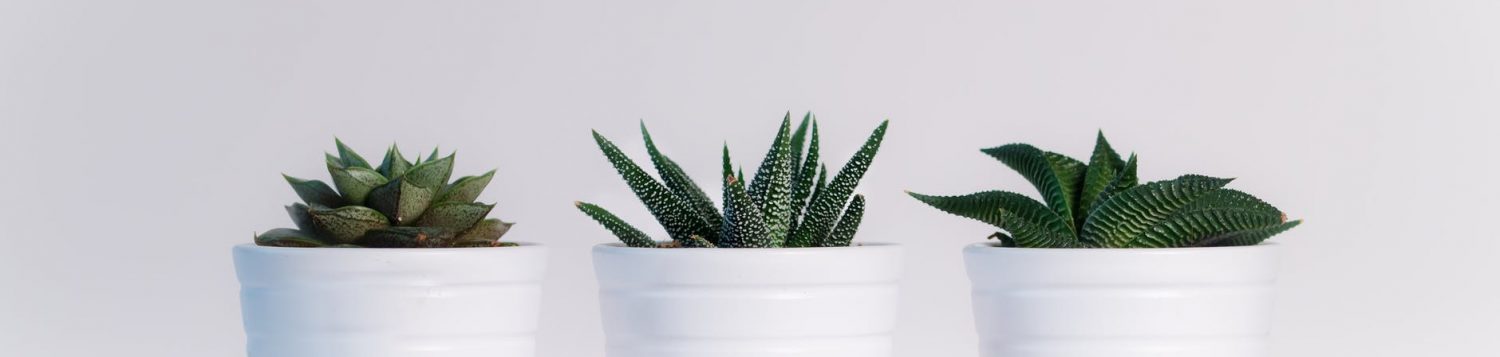


Originally, these were some tiny plants I bought from an online garden shop, without knowing much about their needs and their botanical name. The only thing I knew was that these are very slow growing succulents that look like little stones. Their name comes from the Ancient Greek for “stone face” (λίθος – lithos, meaning “stone,” and ὄψ – ops, meaning “face”) as one may struggle to understand whether these are indeed alive or not, because of their unassuming aspect. As a total beginner for these kind of plants, I bought an assortment of six varieties, coming in different colours, so I could start understanding how to care for and grow these tiny little beauties.

The most fascinating samples in my collection are these lime green variety, which is called lithops lesliei albinica, with beautiful withe flowers in the summer.
These plants are basically composed of two fleshy conical leaves, with roots attached at the bottom, and each year they develop two more leaves from within the body of the plant and eventually flowers too. These new leaves gradually replace the outer leaves that will dry up and their life cycle begins again.

The outmost important factor to be taken into account while growing these plants is the amount of water to be fed regularly. Too much water will start a process of rotting of the roots that will destroy the fragile plant. Lack of water while the plant is growing would stop their growth.
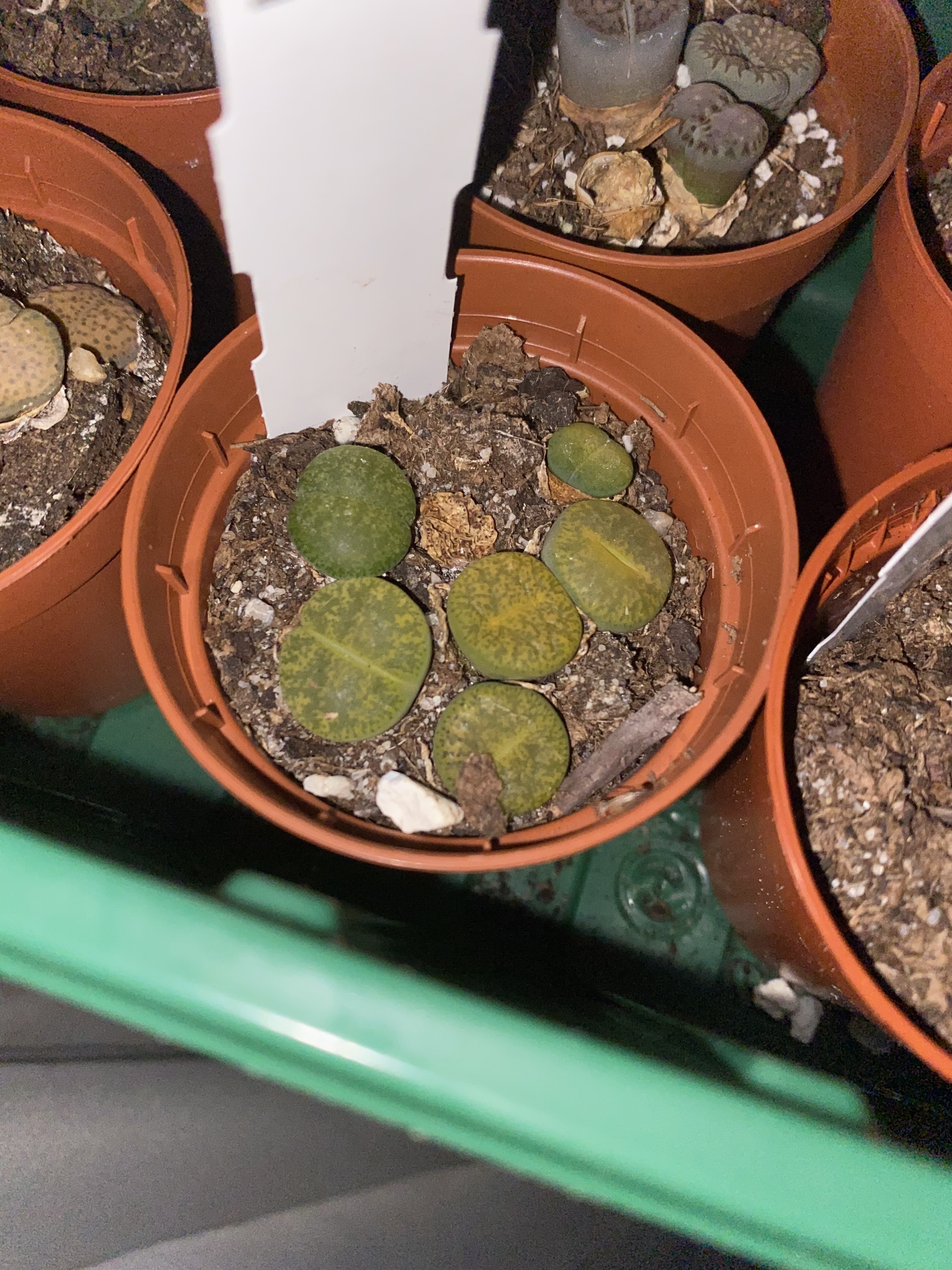
The variety I am featuring in this post is called lesliei, after the name of Owen Leslie, who found a specimen of the plant in 1908 in the area of the Northern Cape in South Africa. This is probably one of the easiest variety of lithops to be grown at home, being the most tolerant to occasional incorrect watering. It is indeed the variety for which I have the highest survival rate.
Discover more from Words, Colours and Notes
Subscribe to get the latest posts sent to your email.
One thought on “Lithops lesliei albinica 🌱🌵🌱”