



Optical Art

Just after the end of WW2 Victor Vasarely started establishing a new artistic movement inspired by his influences stemming from the Abstract Expressionism and the Bauhaus style. The vibrant artistic environment in Paris at the time was the perfect background for the development of new creative outbursts. The main idea was the generation of a fluctuating and dynamic effect on a painting through the juxstaposition of contrasting colours and geometrical patterns.

Considered one of the leaders of the op art movement Victor Vasarely started experimenting in the 1930s with perspectives, textural effects, shadows and light to render optical illusions. Supernovae is a typical example of Optical Art, realised just using black and white and geometrical shapes to obtain the illusion of a tridimensional effect on the canvas.
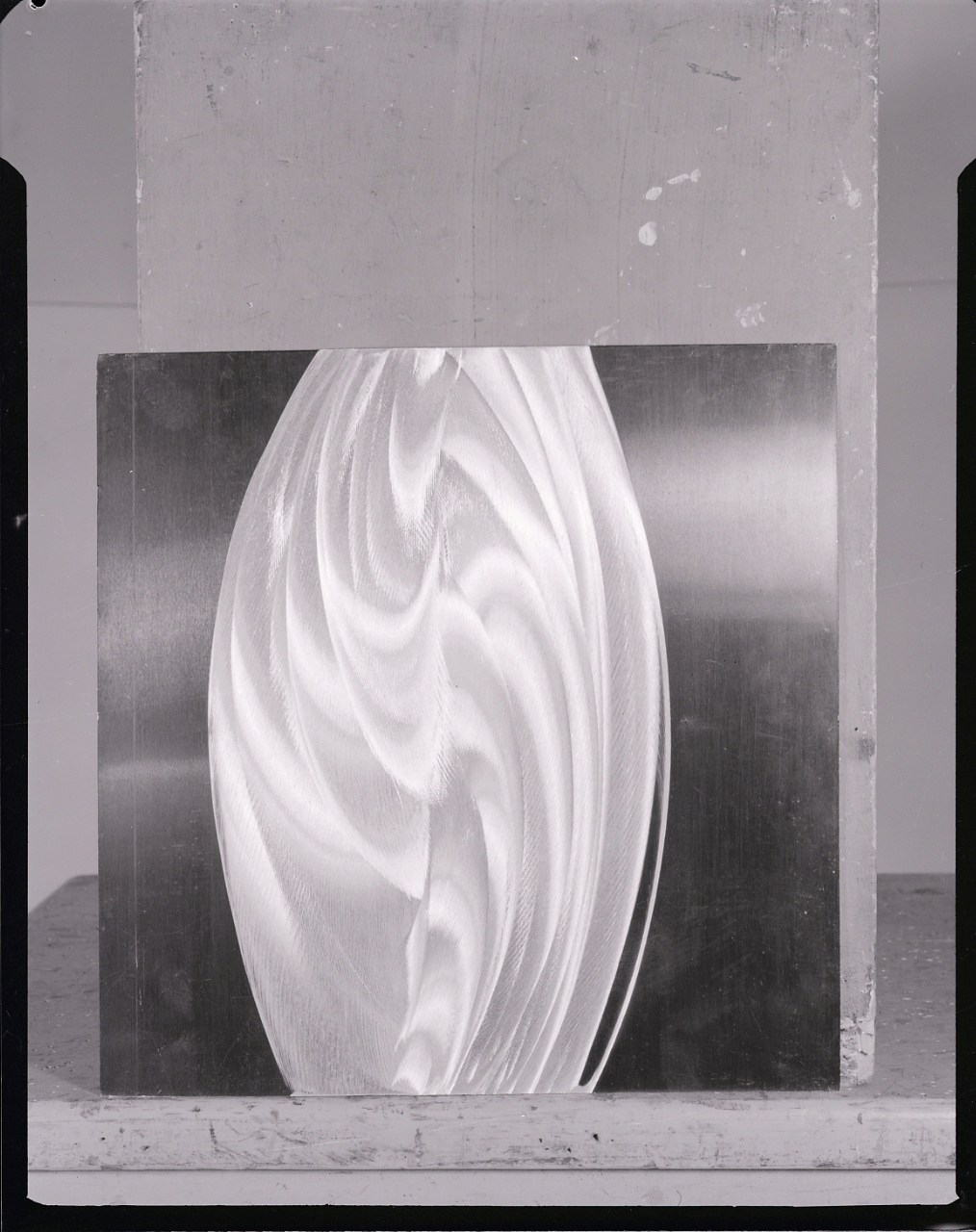
Getulio Alviani extended the concepts of optical art from painting to sculpture with his series of “surfaces”, where curved polished aluminium material reflects the light in different hues according to the angle at which they are viewed.

Son of Victor Vasarely, Jean-Pierre Yvaral followed in the footsteps of his father and continued experimenting with paintings showcasing optical effects. With Ambiguous Structure n. 92 he achieved extraordinary optical 3D effect using contrasting colours and geometrical shapes with red and purple tones

For many years Bridget Riley painted just using black and white, while in later years of her career she started using colours and this painting exhibited at Tate Modern, Nataraja, is a marvellous rendition of the concepts of opart in combination with a myriad of colours, inspired by Indian traditional art.
Discover more from Words, Colours and Notes
Subscribe to get the latest posts sent to your email.
Love these!
I love optical art!
Questo post mi era sfuggito…molto bello. Ciao Enzo!
Mi fa piacere realizzare che abbiamo gusti artistici simili. Buona giornata!
Very artistic and something I have never seen