



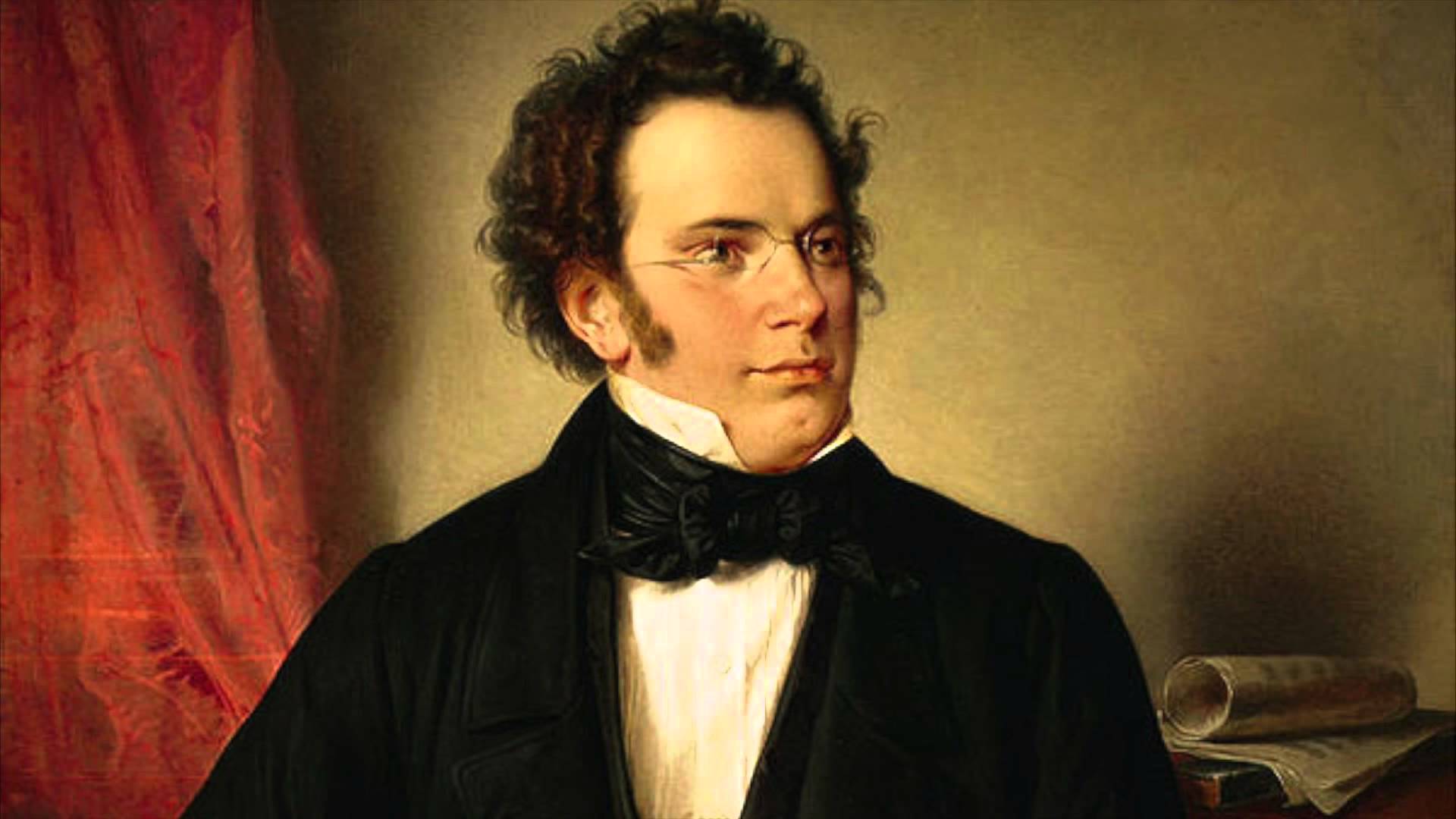


Celebration of the 229th birthday anniversary of Franz Schubert: A Brilliant Life, An Eternal Legacy
Every year, on January 31, classical music lovers from all over the world celebrate the birthday of Franz Schubert, this Viennese genius whose life, although short, has forever marked the history of music. Born in 1797, Schubert left us at the age of 31, but his immense talent has left a legacy that continues to resonate in concert halls, music halls, and in the hearts of listeners. On the occasion of his birthday, we pay tribute to this exceptional composer, by revisiting his life, his remarkable works and the lasting impact of his musical genius.
Schubert’s life: A shooting star in the Viennese sky
Franz Schubert was born in Vienna into a modest family. His father, a teacher, played a central role in his early musical years, teaching him the basics of piano and violin. Very early on, Schubert revealed a prodigious talent for music. As a teenager, he joined the prestigious choir of the Imperial Chapel and studied with Antonio Salieri, one of the most influential composition masters of the time.
But Schubert’s life was not without difficulties. Unlike some of his contemporaries, he has never held a prestigious position as a court composer or conductor. Most of his life was marked by a constant struggle for recognition and financial problems. Despite this, his creative mind was inexhaustible. He composed at an amazing speed and left behind a corpus of more than 600 lieder, symphonies, sonatas, chamber music and piano works.
Unfortunately, Schubert’s fragile health shortened his career. In 1828, he died of typhoid fever (or perhaps complications related to syphilis), leaving a musical treasure that would not be fully appreciated until decades later.
A genius of the melody

What distinguishes Franz Schubert from many other composers is his ability to capture the very essence of human emotion in his melodies. In his lieder (melodies for voice and piano), he has transformed simple poems into real musical stories. The piano is not content to accompany the voice, it becomes an equal partner, adding layers of depth and expression.Schubert was also a pioneer in the symbiosis between music and literature. His cycles of lieder, such as Die schöne Müllerin and Winterreise, based on texts by poets such as Wilhelm Müller, explore universal themes such as love, loss, nature and wandering. These works remain among the unparallelled peaks of the vocal repertoire.
Schubert’s 5 essential masterpieces
It is difficult to choose from Schubert’s countless masterpieces, but here are five compositions that testify to his genius and artistic diversity.
1. Symphony No. 8 in b minor, “Unfinished”
One of Schubert’s most mysterious works, this symphony has only two movements, but each note is marked by a rare emotional intensity. Its rich orchestral writing and poignant themes make it an emblematic piece of nascent romanticism.
2. The String Quintet in C major, D. 956
Written shortly before his death, this masterpiece of chamber music is of a heartbreaking beauty. The second movement, Adagio, is often considered one of the most sublime pages of all classical music.
3. Winterreise, D. 911
This cycle of 24 lieder is a real musical and emotional odyssey. Through Wilhelm Müller’s dark poems, Schubert explores loneliness, pain and wandering with devastating intensity.
4. Ave Maria, D. 839
This work is perhaps one of Schubert’s best-known pieces. Inspired by a poem by Walter Scott, this prayer in music has become a universal symbol of peace and serenity.
5. Piano Sonata in B Bemol major, D. 960
Schubert’s last piano sonata, this work of monumental magnitude mixes sweetness, melancholy and hope. The slow movement (Andante sostenuto) is a perfect example of his lyrical and introspective genius.
Schubert’s legacy
Franz Schubert’s genius lies in his ability to transcend his time. His works, although rooted in classical tradition, pave the way for musical romanticism. Beethoven, his contemporary, already admired his talents, but it was during the 19th century, with composers such as Brahms, Schumann and Liszt, that Schubert’s importance was fully recognised.
It was only after Schubert’s death that his musical genius received the kind of recognition he deserved. His talent lies in his ability to adapt to almost all types of musical forms. His vocal contributions, more than 500 in total, were written for male and female voices, as well as for mixed voices.
Today, Schubert is celebrated not only for his lieder, but also for his impact on chamber music, symphony and piano repertoire. His compositions continue to inspire generations of musicians and composers.
Beyond technique and formal structures, what makes Schubert’s music so timeless is his humanity. He was able to capture the joys and sorrows of existence with a sincerity and sensitivity that directly touch the soul. Listening to Schubert is entering a universe where melody becomes a universal language, capable of expressing what goes beyond words.
An anniversary to celebrate immortality
On this January 31, let’s pay tribute to Franz Schubert, this discreet but revolutionary genius, whose music continues to enchant and move. Whether you rediscover his symphonies, sonatas or lieders, take a moment to celebrate this invaluable legacy that reminds us of the power of art and the beauty of human expression.
Schubert may have lived in the shadows during his life, but his star now shines brighter than ever.
Essential online references
Here are five key online bibliographic references in English for Franz Schubert, each with a brief description and link.
1. Schubert Bibliography – Schubert Institute (UK)
A curated select bibliography of modern Schubert scholarship, updated in June 2025, covering biographies, analytical and critical studies, song-focused research, and works on instrumental music, with full publication details for each item.
2. Schubert Thematic Catalogue (Deutsch Catalogue) – Overview
This page explains the nature and history of “Schubert: Thematic Catalogue of all his Works in Chronological Order”, known as the Deutsch catalogue, which assigns D numbers to all Schubert compositions and serves as the standard reference system.
3. Schubert Thematic Catalogue of His Works – Bärenreiter
A description of Otto Erich Deutsch’s thematic catalogue, presenting Schubert’s works in chronological order with musical incipits, information on sources, performance history, editions, texts, and references to secondary literature, highlighting it as an indispensable research tool.
4. The New Schubert Edition (Neue Schubert-Ausgabe)
The site outlines the scholarly-critical complete edition of Schubert’s surviving works in eighty-four volumes, organised into series (sacred, secular, stage, orchestral, chamber, keyboard, songs), including a thematic catalogue, documentary biography, and critical reports with detailed source studies.
5. Schubert Autograph Music Manuscripts in “Schubert Online”
This page introduces the Schubert Online project, giving free access to digitised autograph manuscripts, first and early printed editions, letters and biographical documents from major libraries in Vienna, Berlin, Oslo and elsewhere, describing it as a growing central point of reference for Schubert source study.


You can also follow me on my other social networks:
And subscribe to email updates from this blog:
Discover more from Words, Colours and Notes
Subscribe to get the latest posts sent to your email.